
Thailand’s flooding has moved from a regional disruption to a direct hit on two major pillars of the economy: automotive manufacturing and air cargo. Toyota has temporarily suspended operations at four facilities in Thailand, while Thai Airways has halted inbound and outbound cargo acceptance from September 30 through October 6 as flooding prevents employees and suppliers from reaching key facilities.
Toyota said parts deliveries to its Thai operations had been disrupted, forcing the temporary shutdown of three plants and a facility operated by its Toyota Auto Works joint venture. The company is coordinating with suppliers to restore deliveries and resume production as soon as conditions allow. The disruption illustrates how quickly flooding can propagate through just-in-time manufacturing networks even when individual factories themselves are not severely damaged.
Thai Airways faces a different but equally important bottleneck. The airline said it would stop accepting inbound and outbound cargo from September 30 to October 6 because many employees cannot travel to work. The disruption follows chaos at Suvarnabhumi Airport, where roughly half of airport personnel were reportedly unable to reach work and thousands of bags accumulated while flights were cancelled.
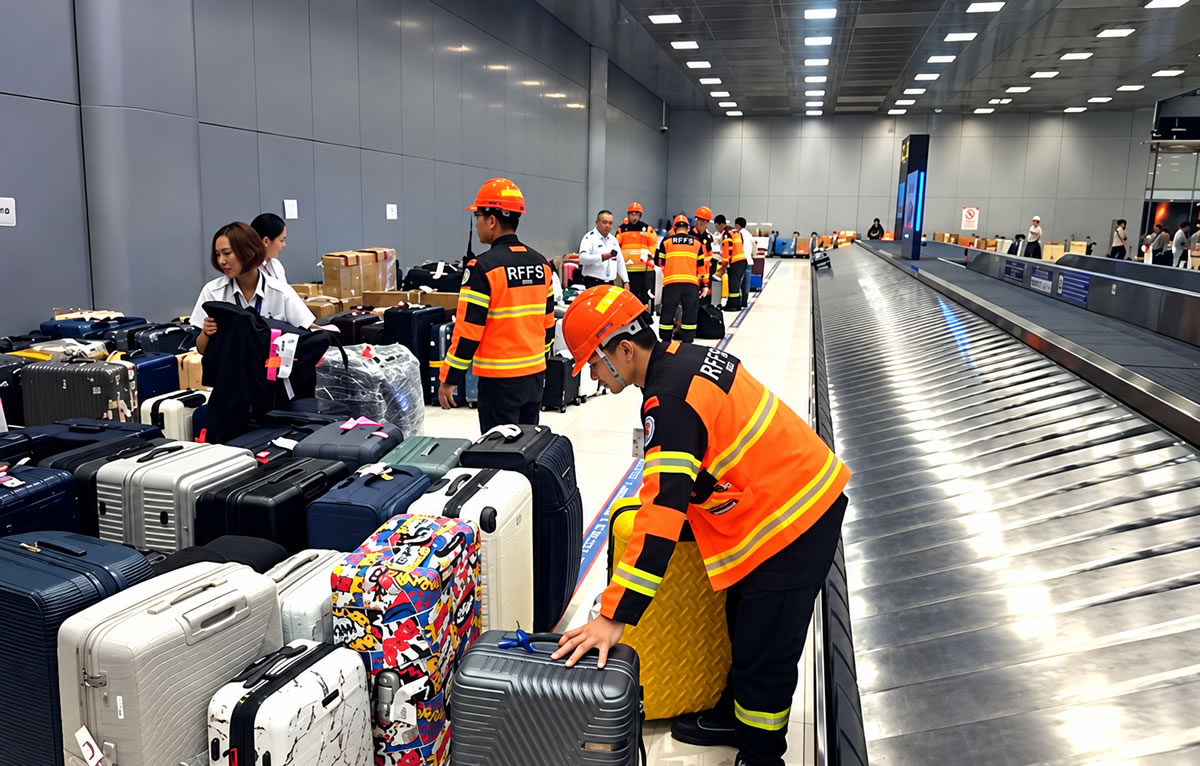
The economic impact is potentially broader than the immediate production losses. Toyota is deeply integrated with Thailand’s automotive supplier network, while Suvarnabhumi is a critical logistics gateway for high-value and time-sensitive goods. Prolonged disruption could therefore affect component suppliers, exporters, freight operators and manufacturers beyond the companies directly affected.
The flooding has affected 44 of Thailand’s 77 provinces, according to the Interior Ministry, with water still prevalent in 32 provinces on Wednesday. Bangkok received around 320mm of rain in three days, nearly its normal September rainfall. The government is attempting to drain floodwater and return Bangkok to normal within two to three days, but the latest corporate disruptions show that business recovery may take longer than the physical recession of floodwaters


