Set-Jetting in Thailand is a growing trend where travelers visit locations featured in popular films and television shows. This phenomenon has significantly boosted tourism in the country, with several iconic destinations becoming must-visit spots for fans.
Popular Set-Jetting Locations in Thailand
Thailand’s cinematic appeal has made it a hotspot for set-jetting, with its diverse landscapes and vibrant culture serving as backdrops for numerous films and TV shows. Here are some of the most popular set-jetting locations in Thailand that have drawn travelers inspired by their on-screen fame:
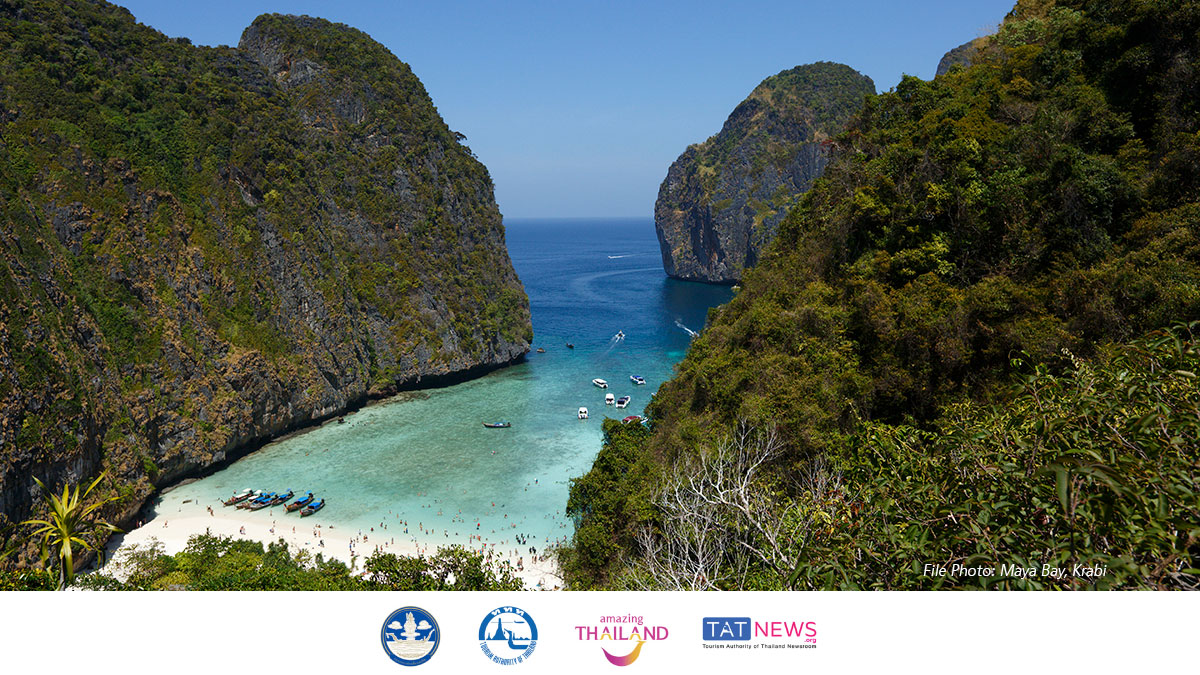
- Maya Bay, Phi Phi Leh (Krabi Province)
- Featured in: The Beach (2000)
- This stunning cove, surrounded by limestone cliffs and turquoise waters, became iconic after Leonardo DiCaprio’s adventure flick hit screens. Its popularity surged, leading to thousands of daily visitors at its peak. Environmental strain prompted a closure in 2018, but it reopened in 2022 with strict regulations—no swimming and limited visitors—to preserve its beauty. Set-jetters still flock here for the postcard-perfect scenery, often taking boats from nearby Phi Phi Don or Krabi.
- Phang Nga Bay (Phang Nga Province)
- Featured in: The Man with the Golden Gun (1974)
- James Bond fans head to this bay for its dramatic limestone karsts and emerald waters, particularly Koh Tapu (James Bond Island), where the villain’s lair was filmed. The rock formation piercing the sea is a must-see, and boat tours from Phuket or Phang Nga cater to tourists eager to relive 007’s showdown. Its enduring fame keeps it a top set-jetting spot decades later.
- Phuket (Various Locations)
- Featured in: The White Lotus Season 3 (2025)
- Filmed in 2024 and airing in early 2025, this HBO series showcases Phuket’s luxury resorts and beaches. Specific sites like the Four Seasons Resort and Anantara properties have been linked to the production, drawing fans of the show’s dark satire. Phuket’s blend of upscale vibes and natural beauty—think Patong Beach or Nai Harn—makes it a prime draw for set-jetters chasing that White Lotus aesthetic.
- Bangkok (Various Urban Sites)
- Featured in: The Hangover Part II (2011)
- The chaotic energy of Bangkok shines in this comedy, with scenes at Lebua at State Tower’s Sky Bar and the bustling streets of Chinatown. The rooftop bar, with its panoramic views, remains a pilgrimage site for fans sipping Hangovertinis—a cocktail inspired by the film. Bangkok’s gritty charm and neon-lit nightlife keep it a set-jetting favorite.
- Chiang Mai (Northern Thailand)
- Featured in: Rambo IV (2008)
- The lush jungles and rural villages around Chiang Mai stood in for Burma in this action-packed sequel. While less touristy than coastal spots, adventure-seekers visit for jungle treks and river trips, channeling Stallone’s rugged escapades. Nearby temples like Wat Phra That Doi Suthep add cultural depth to the experience.
- Koh Samui (Surat Thani Province)
- Featured in: The White Lotus Season 3 (2025) & Meet the Fockers (2004)
- Another White Lotus filming location, Koh Samui’s palm-fringed beaches and luxe resorts—like those in Chaweng or Lamai—beckon fans. Its earlier cameo as a stand-in for French Polynesia in Meet the Fockers adds to its cinematic creds. The island’s laid-back vibe and upscale offerings make it a growing set-jetting gem.
These locations highlight Thailand’s range—from urban sprawls to remote islands—each amplified by their screen time. They attract a mix of casual tourists and die-hard fans, with local operators often tailoring tours to capitalize on the hype. While exact visitor numbers tied to set-jetting fluctuate, these spots consistently rank high on travel itineraries, blending Hollywood allure with Thailand’s natural and cultural riches.
Economic and Tourism Effects of Set-Jetting in Thailand
Set-jetting, the trend of traveling to destinations featured in popular films, TV shows, or other media, has gained traction globally, and Thailand, with its stunning landscapes and rich cultural backdrop, is no exception. While specific, up-to-date data on set-jetting’s economic and tourism impact in Thailand as of February 24, 2025, is limited, we can explore its effects based on general trends, Thailand’s tourism recovery, and notable examples of media-driven tourism in the country.
Thailand’s tourism industry is a cornerstone of its economy, historically contributing significantly to GDP—around 11.5% in 2019 before the pandemic hit. The country’s lush jungles, pristine beaches, and vibrant cities have long made it a favored filming location, amplifying its appeal for set-jetting.
A classic example is The Beach (2000), filmed on Phi Phi Leh island. The movie sparked a tourism boom, drawing visitors to Maya Bay, though it also strained the local ecosystem, leading to temporary closures for environmental recovery. More recently, productions like The White Lotus Season 3, filmed in Thailand in 2024, have reignited interest. Set in luxurious locales like Phuket and Koh Samui, the show’s airing in early 2025 is already anticipated to boost visitor numbers, building on Thailand’s 2024 record of 34 million tourist arrivals.
Economically, set-jetting drives revenue through direct visitor spending—on accommodations, food, transportation, and tours—and indirectly by creating jobs in hospitality and related sectors. In 2024, tourism generated approximately 1.8 trillion baht (about $52 billion USD), with high-spending visitors, including set-jetters, contributing to this figure. These travelers often seek premium experiences tied to their favorite scenes, such as staying in upscale resorts featured in shows or joining guided tours to filming sites. For instance, after The White Lotus announced its Thailand shoot, local tourism operators began marketing packages tied to the series, capitalizing on its global fanbase.
The tourism impact is equally significant. Set-jetting draws a niche but passionate demographic—often younger, affluent travelers willing to spend more for unique experiences. In 2023, Thailand welcomed 25-30 million visitors, and by 2025, projections aim for a record-breaking 40 million, partly fueled by media exposure. Events like Songkran or Loy Krathong already attract crowds, but set-jetting adds a year-round draw, diversifying tourist flows beyond seasonal peaks. Phuket and Bangkok, key filming hubs, saw occupancy rates rise from 75.77% and 47.99% in 2023 to 78.54% and 52.66% in 2024, respectively, with set-jetting likely contributing to this uptick.
However, the impact isn’t all positive. Popular filming sites can face overcrowding, environmental stress, and cultural disruption—echoing Maya Bay’s post-Beach challenges. On the flip side, Thailand’s push for sustainable tourism, including eco-friendly travel options, aligns with efforts to mitigate these downsides, potentially attracting a new wave of conscious set-jetters.
While exact figures for set-jetting’s slice of Thailand’s tourism pie are hard to pin down without fresh 2025 data, its role in amplifying arrivals and spending is clear. It enhances Thailand’s brand as a cinematic paradise, leveraging its natural beauty and infrastructure—like increased airline capacity (47 million seats in 2024)—to sustain economic growth. As media production continues to spotlight Thailand, set-jetting could solidify its status as a high-value tourism driver, balancing economic gains with the need for careful management of its cultural and natural assets.


